
Eyes on every site, alerts that matter
Cameras, door access, and AI-assisted monitoring in one dashboard — fewer false alarms, faster response, full audit trail.
- AI person and vehicle detection
- Doors and cameras on one timeline
- Every entry written to an audit log
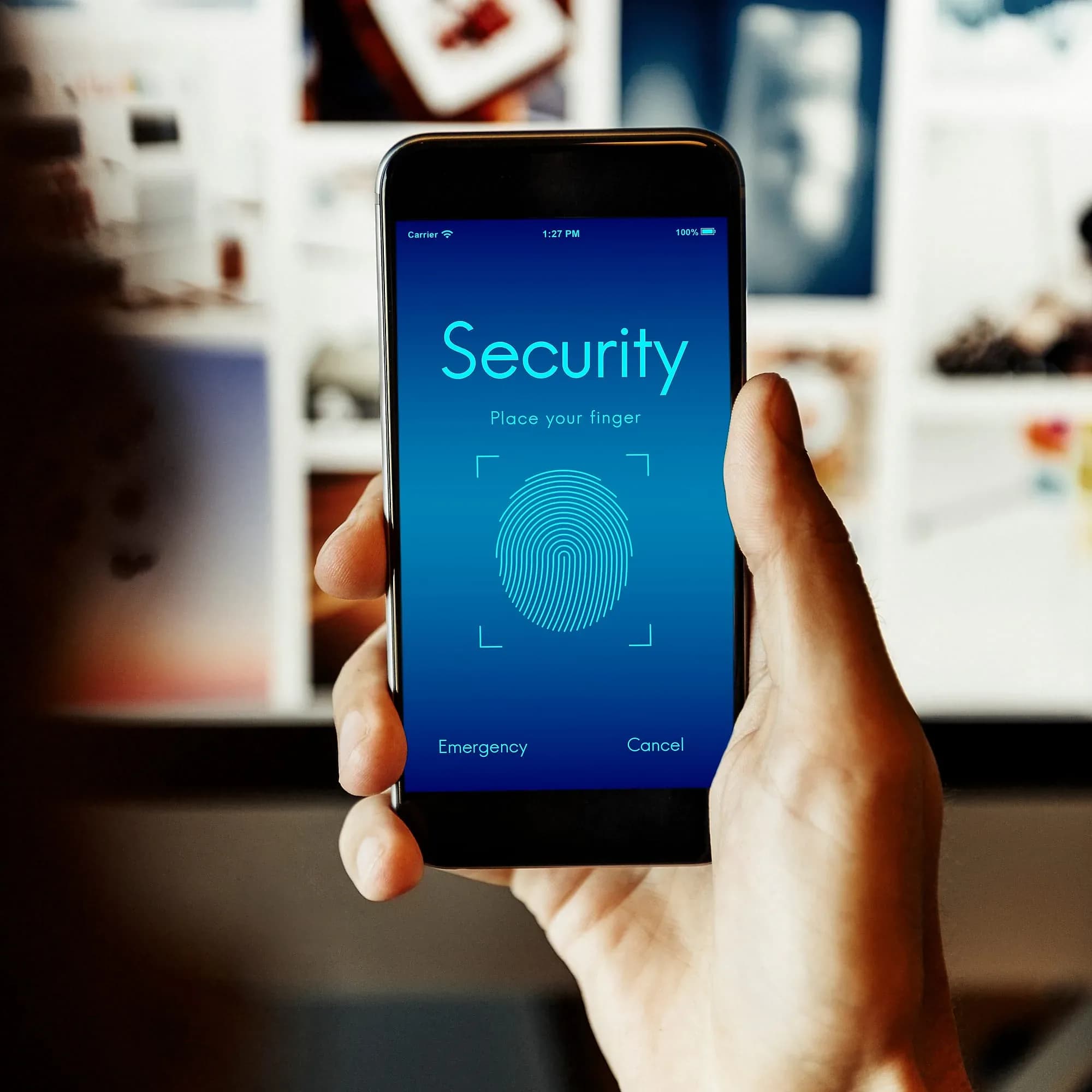
The problem with security cameras is that nobody watches them

Camera coverage is easy to buy and almost impossible to use. A twelve-site operation generates more footage in a day than a person could watch in a month, so in practice the cameras are not a monitoring system at all — they are a recording device consulted after something has already gone wrong. Everyone involved knows this, and it is why so much of the industry's spend produces so little operational change.
The bottleneck is attention, not coverage, and attention is what motion alerting was supposed to solve and made worse. A camera that alerts on every movement in a car park alerts constantly, staff learn within a week to dismiss the notifications without reading them, and the system now costs money to actively train people to ignore it.
AI detection changes what an alert means. Person and vehicle recognition filters routine movement from events worth a human's time, so a notification arriving on someone's phone carries an implicit claim that it matters — and that claim is what makes people look. A retail chain running this across every store watches all of them from one dashboard for exactly this reason, and that deployment is written up in full.
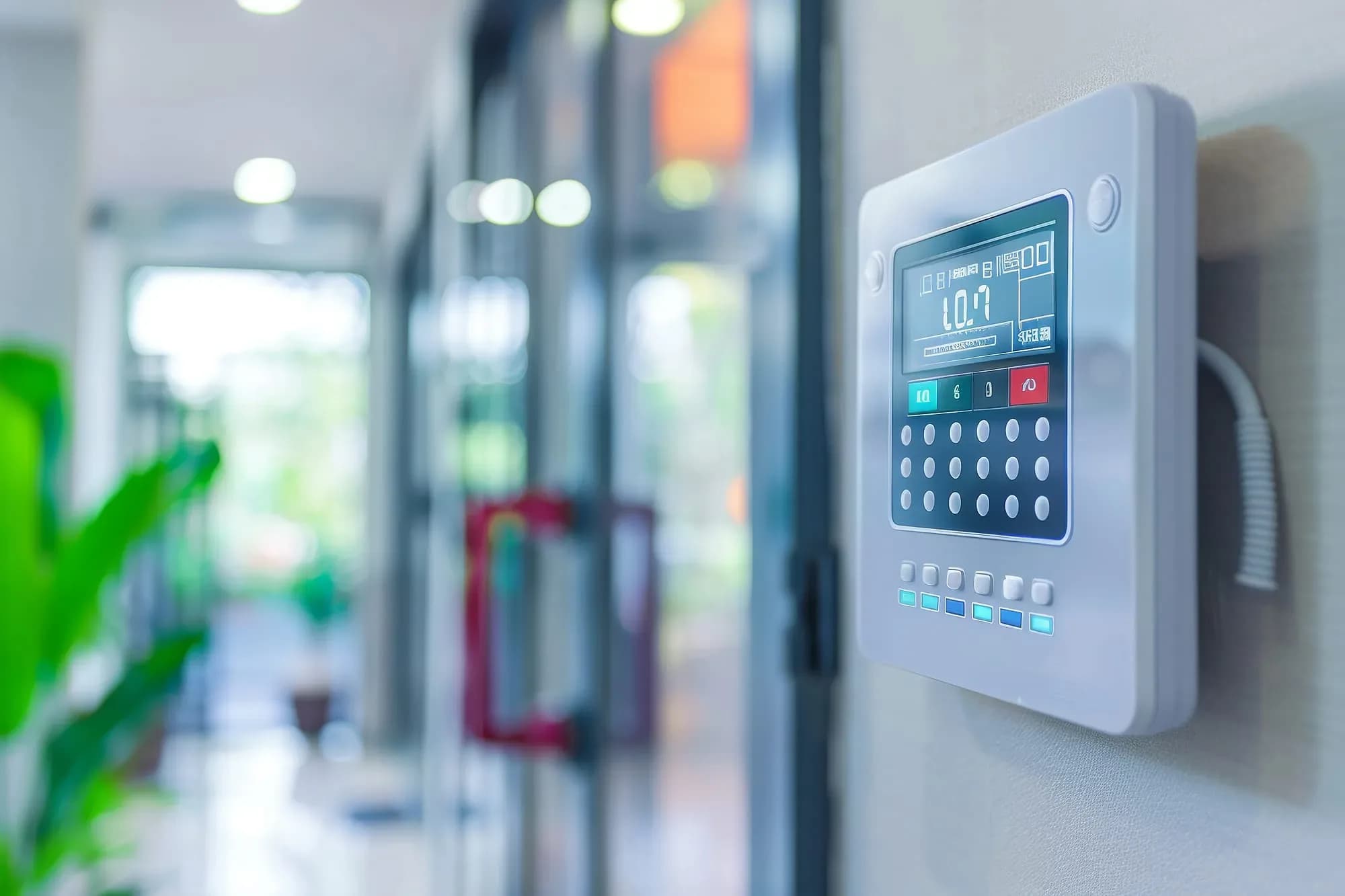
Access control sits in the same system rather than beside it, so door events and camera footage share a timeline and an audit log: who opened which door, when, and what the camera saw. Role- and schedule-based access, encrypted cloud retention, mobile monitoring, and — for sites without fixed infrastructure — mobile camera trailers complete it.

The day-to-day, before and after Security System
Three frictions this replaces — described in the terms you'd recognise from your own week.
Today
Motion alerts fire all night and nobody checks them anymore
With Security System
AI classifies each detection as a person, vehicle, or routine motion, so the alerts that reach your phone are worth opening.
Today
Every site's cameras live on a separate recorder
With Security System
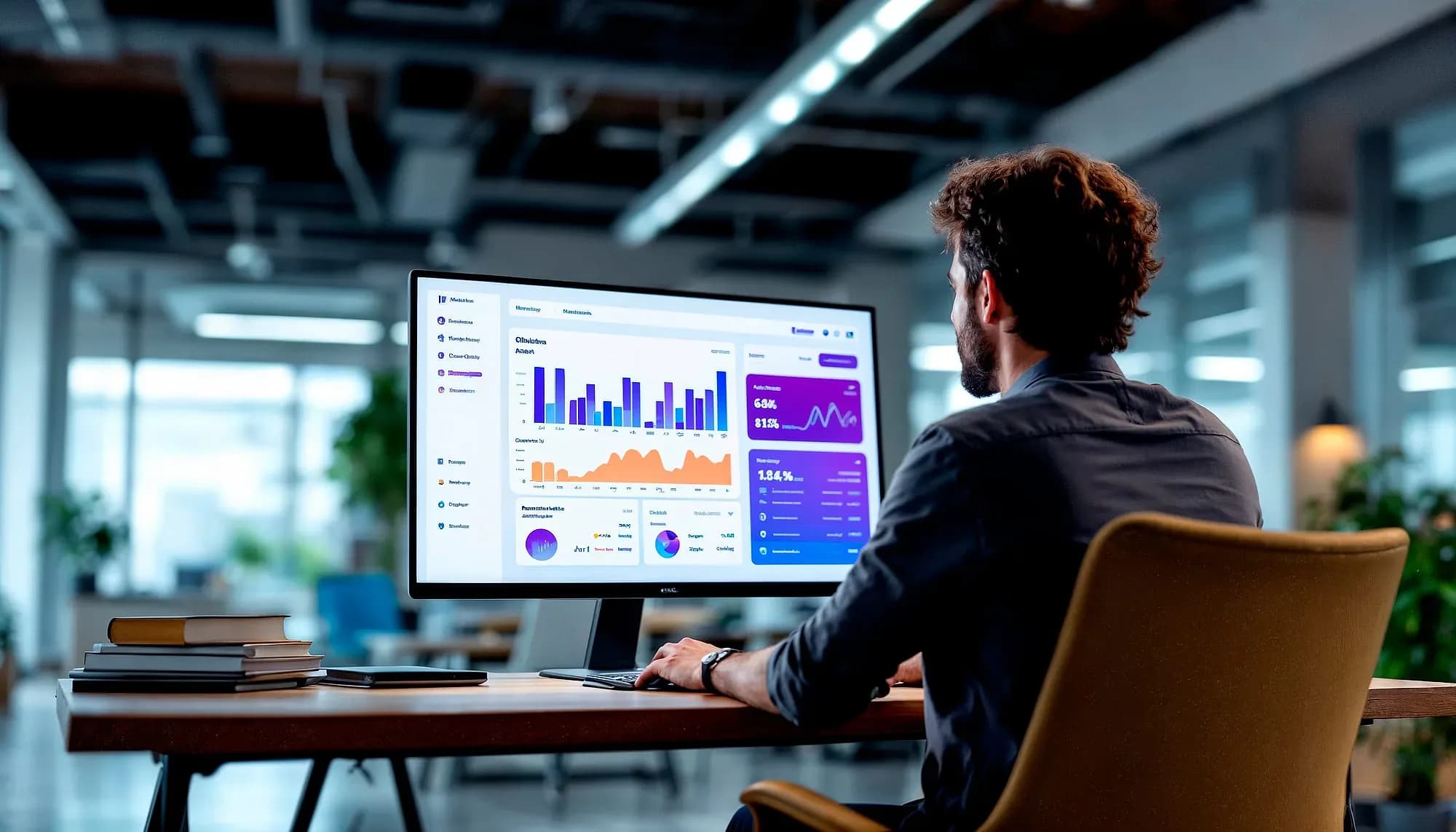
One dashboard shows every location's cameras, doors, and devices, and the gateway pushes configuration and updates out to all of them.
Today
Nobody can say who opened the back door
With Security System
Door access runs on roles and schedules, and every entry, denial, and incident is written to an audit log you can search.
Where it earns its keep
A retail chain watches every store from one dashboard — AI filters routine motion from real events, so the team responds to incidents instead of noise.
A 12-Location Retail Chain
View Scan camera & access rollout

Inside Security System
View Scan Protect
AI-assisted surveillance across every camera and site — alerts mean people, vehicles, or incidents, not shadows.
View Scan Entrance Manager
Door and entrance control by role and schedule, with every entry logged.
View Scan Gateway Manager
One gateway to monitor, configure, and update every site's devices remotely.
Security Camera Trailer
Mobile, self-powered camera trailers for lots, sites, and events — surveillance anywhere.

Who's in it every day
The three seats Security System is designed around.
Security manager
Opens the dashboard to review overnight alerts, pull the clip behind an incident, and check which sites reported nothing at all.
Store manager
Checks the mobile app between shifts to confirm the back door stayed closed and to see who badged in before opening.
Operations director
Grants and revokes door access by role and schedule as staff join, move between sites, or leave the company.

How we get you live
Site walkthrough
We map entrances, blind spots, and restricted zones at each location, then agree on camera placement, door points, and who needs access.
Cameras and doors
Cameras go up, entrance controllers go in, and trailers roll out to any lot or site without fixed power.
Gateway connect
Every device registers to the gateway, so monitoring, configuration, and updates for all sites run from one place instead of per recorder.
Tune the alerts
Detection zones, roles, and schedules get set per site, so notifications reach the right people and every entry lands in the log.

Capabilities at a glance
- Multi-site camera management
- AI person and vehicle detection
- Role- and schedule-based door access
- Mobile security camera trailers
- Instant incident notifications
- Encrypted cloud video retention
- Entry and event audit logs
- Mobile monitoring app
Works with your stack
Security System connects to the systems and hardware you already run — tell us what you use and we’ll confirm the fit before you commit.
- IP Security Cameras
- Door Access Controllers
- Site Gateway Devices
- Mobile Camera Trailers
- Encrypted Cloud Storage
- Push & Email Alerts
- iOS & Android App


Security System, answered
The questions we get asked before a demo.

Not seeing your question?
Tell us how you run today and we'll answer specifically.
See Security System in action
Book a demo and we'll walk through your workflow — or ask us anything first.
Or call us: 1-225-573-9244